They are not deliberately confusing. They are the natural byproduct of two hundred years of botanical science trying to make sense of one remarkable plant — working across different continents, different languages, and different centuries, each generation of botanists inheriting and occasionally overturning the work of the last. Understanding why this plant has so many names requires understanding how botanical names work in the first place.
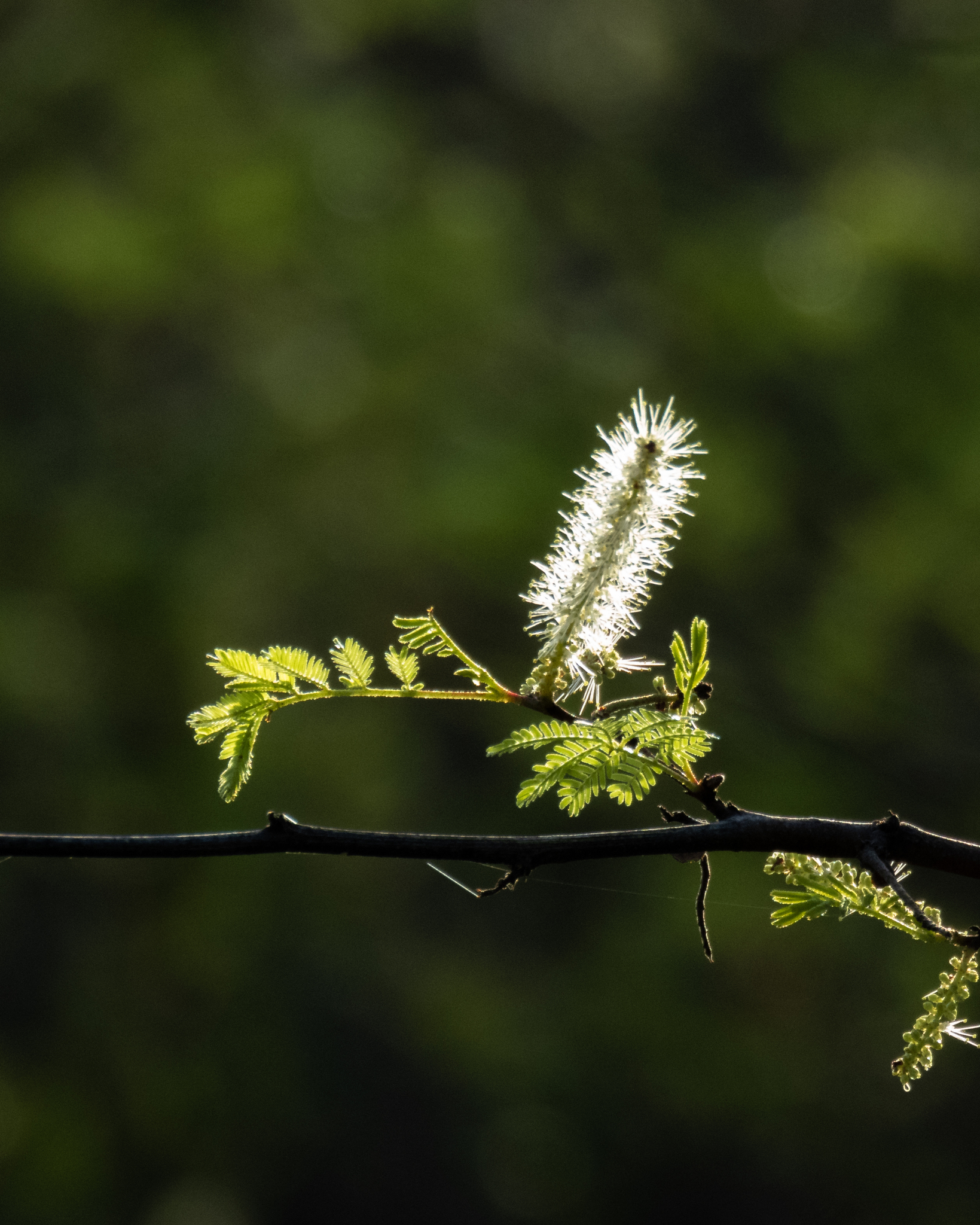
How Plants Get Named — and Why Names Change
In 1753, Swedish botanist Carl Linnaeus published Species Plantarum — a two-volume work that established the modern system of binomial nomenclature. Every species would receive a two-part Latin name: a genus (the group it belongs to) and a specific epithet (its individual identifier). Mimosa tenuiflora follows this exactly: Mimosa is the genus, tenuiflora (meaning "slender-flowered") is the species.
The system sounds simple. In practice it has always been messy. In the 18th and 19th centuries, botanists on different continents were discovering and naming plants independently, without reliable communication between them. The same plant could be described and named by a botanist in Europe based on dried specimens from Brazil, while a different botanist in Mexico was doing the same thing with local material — and neither knew the other existed. The result was synonymy: multiple valid scientific names referring to the same organism.
The Rule of Priority
Botanical nomenclature is governed by the International Code of Nomenclature for algae, fungi, and plants (ICN). One of its foundational principles is the Rule of Priority: when a species has been given multiple names at different times, the oldest validly published name takes precedence.
This is why Mimosa tenuiflora is technically the correct name — it was published in 1806, before the name Mimosa hostilis was introduced in 1875. The later name becomes a synonym: still recognized and used, but technically subordinate to the earlier one.
Names also change when botanists reclassify the genus a species belongs to. When new research — morphological, genetic, or ecological — reveals that a plant has been placed in the wrong group, it gets moved. The specific epithet usually stays the same; the genus changes. This is exactly what happened to our plant — more than once.
The First Classification: Acacia tenuiflora, 1806
The first formal scientific description of this plant was made by German botanist Carl Ludwig Willdenow in 1806. Working from dried specimens, Willdenow placed the plant in the genus Acacia — a large, catch-all genus that in the early 19th century contained hundreds of leguminous trees and shrubs from across the tropics. He called it Acacia tenuiflora: the slender-flowered acacia.
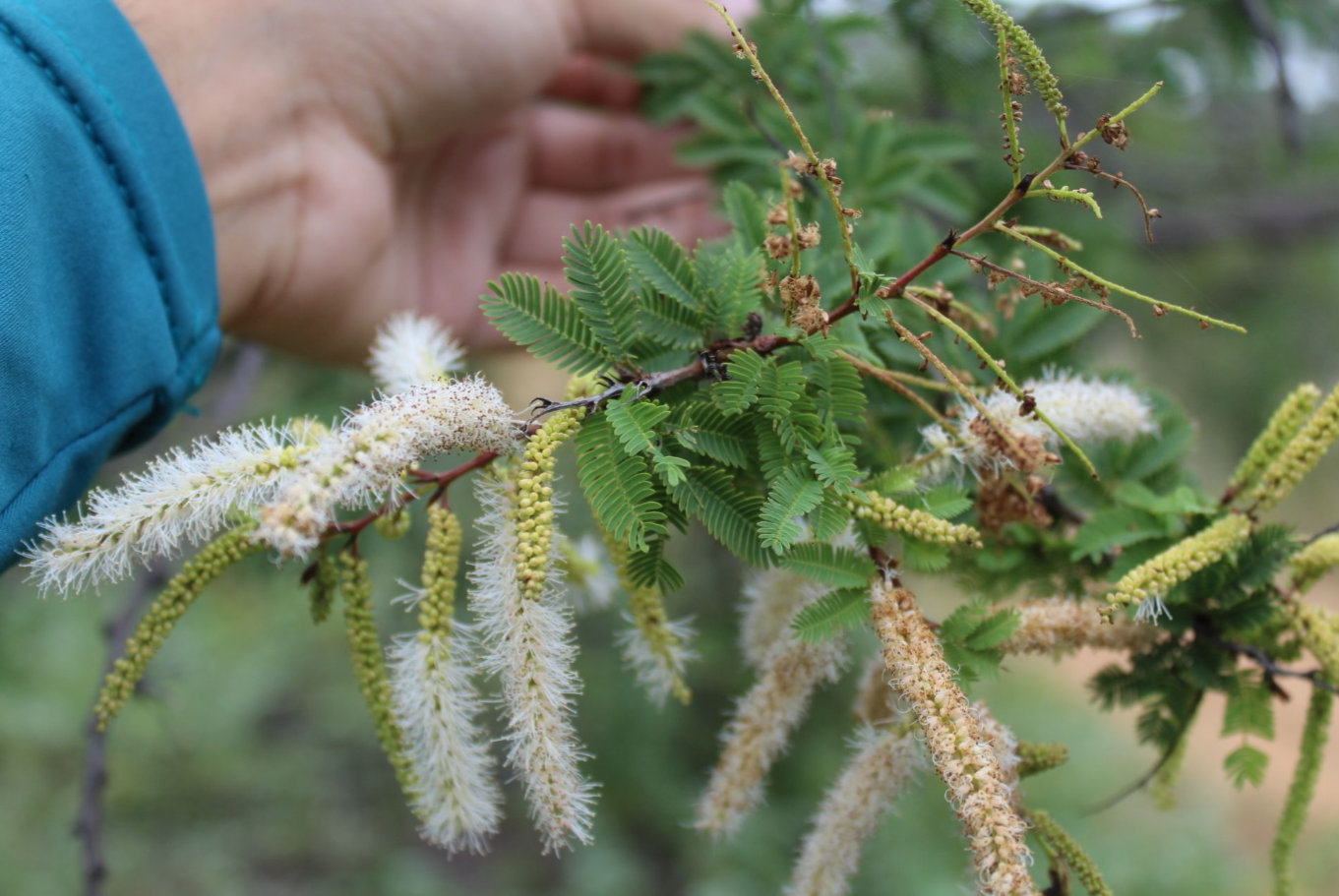
Willdenow’s classification made reasonable sense given the knowledge of the time. The plant has compound leaves, grows as a tree or shrub in tropical conditions, and produces pods — characteristics shared by many acacias. Without modern molecular tools, visual and structural similarity was the primary basis for classification.
Martius in Brazil: Acacia hostilis, 1823
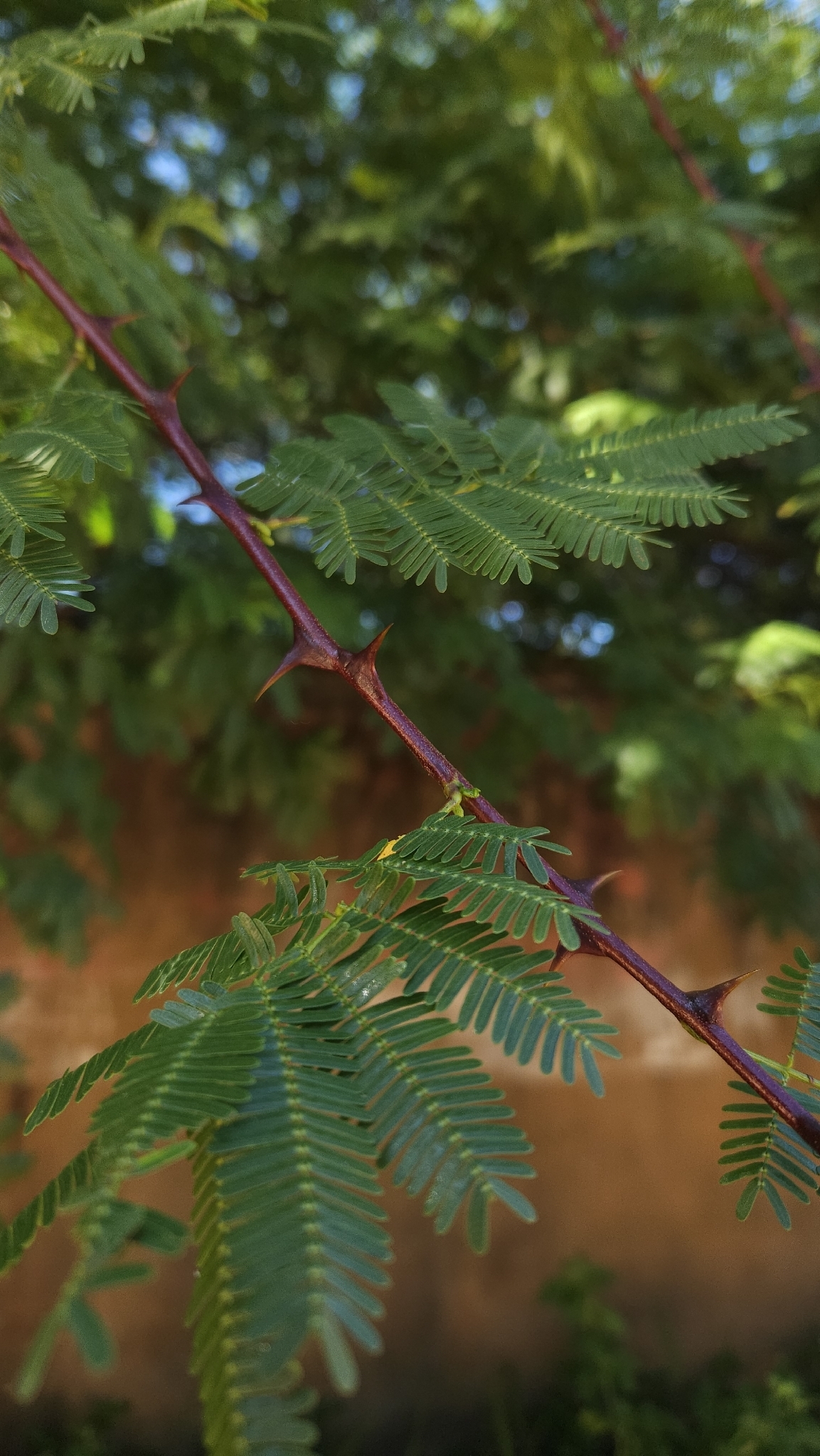
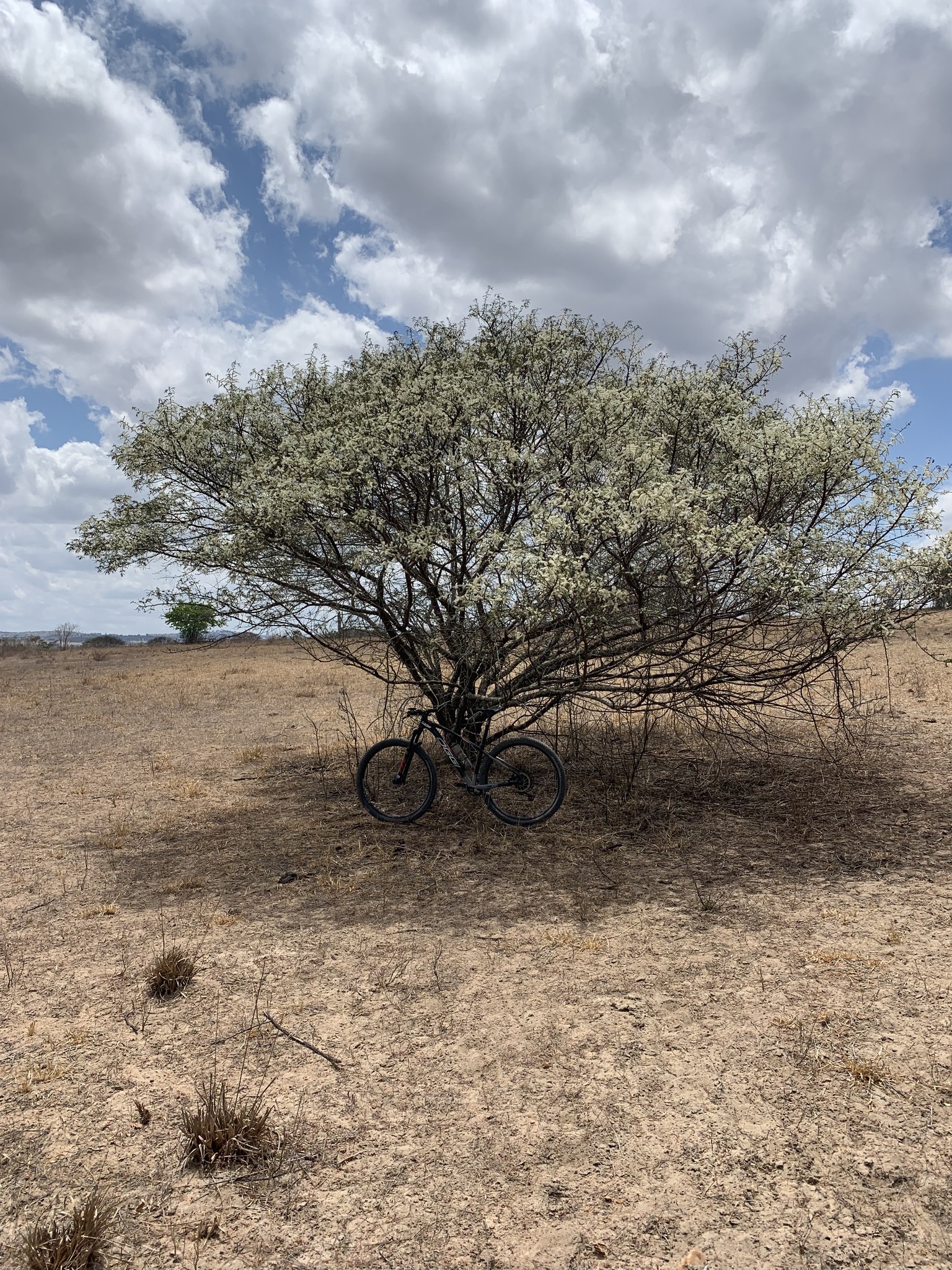
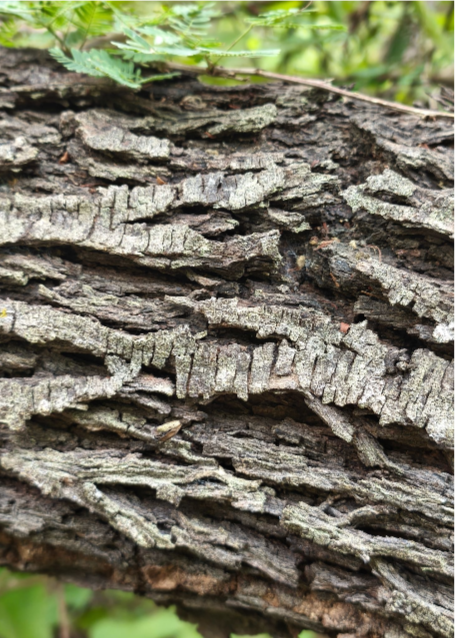
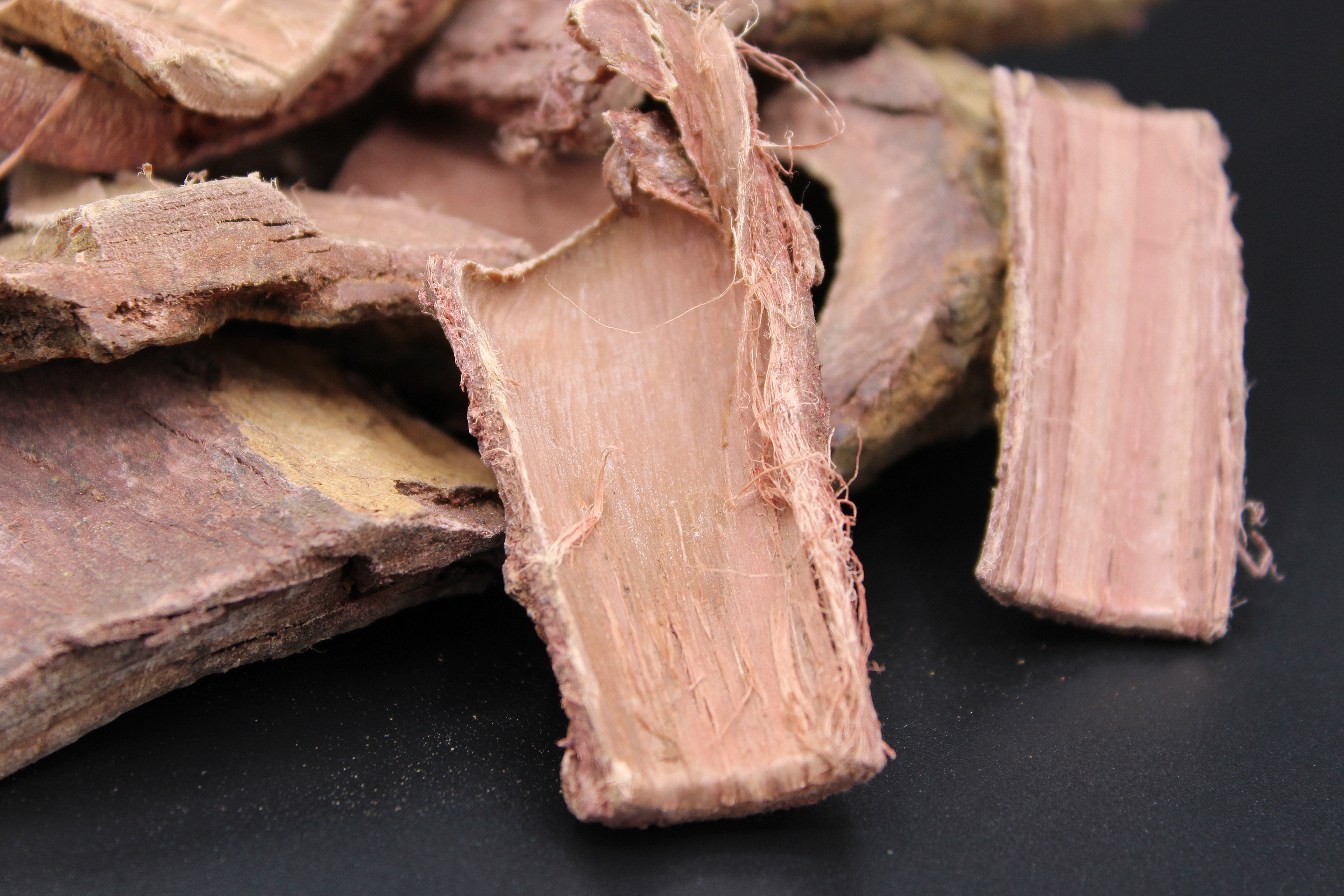
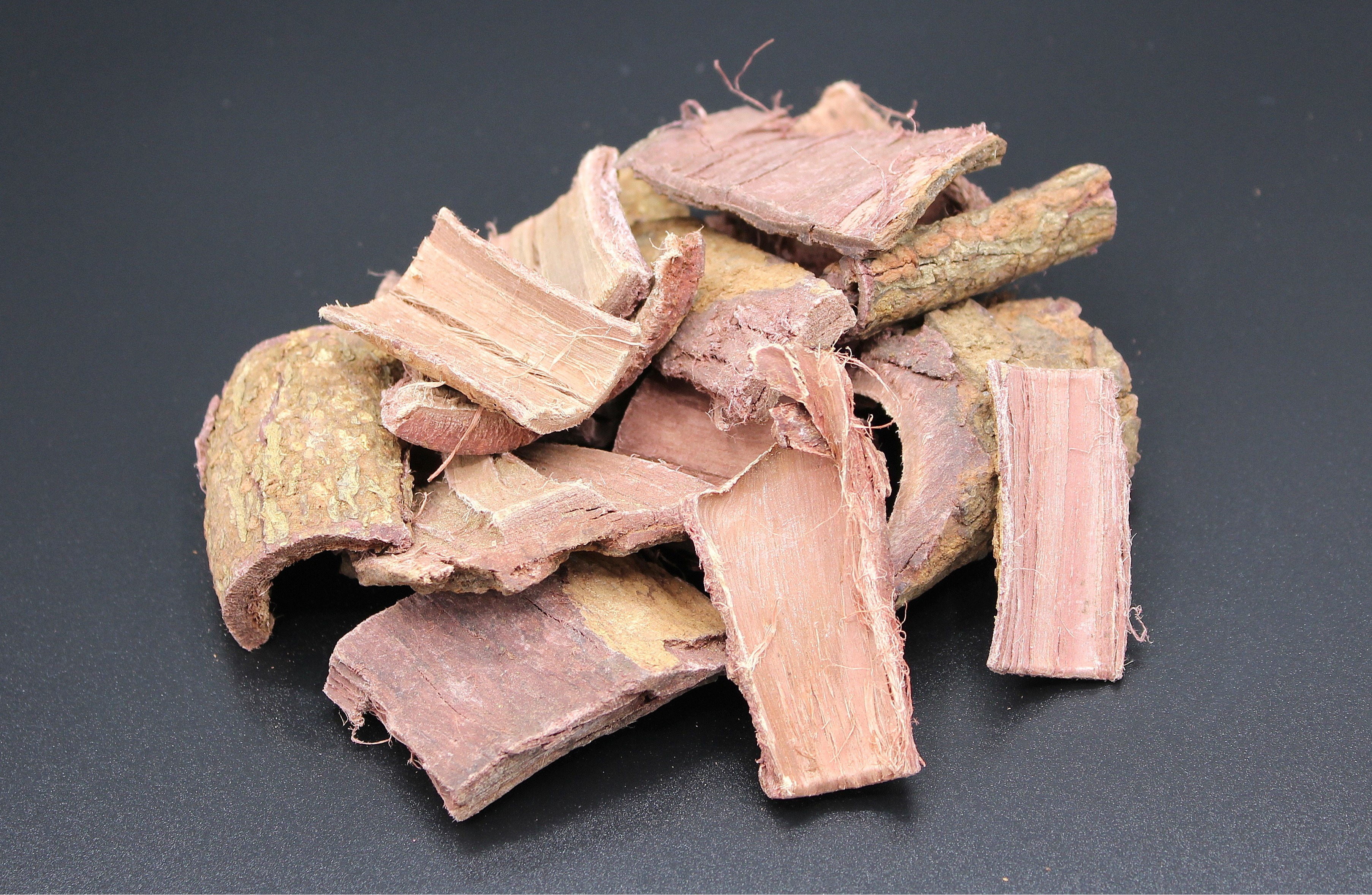
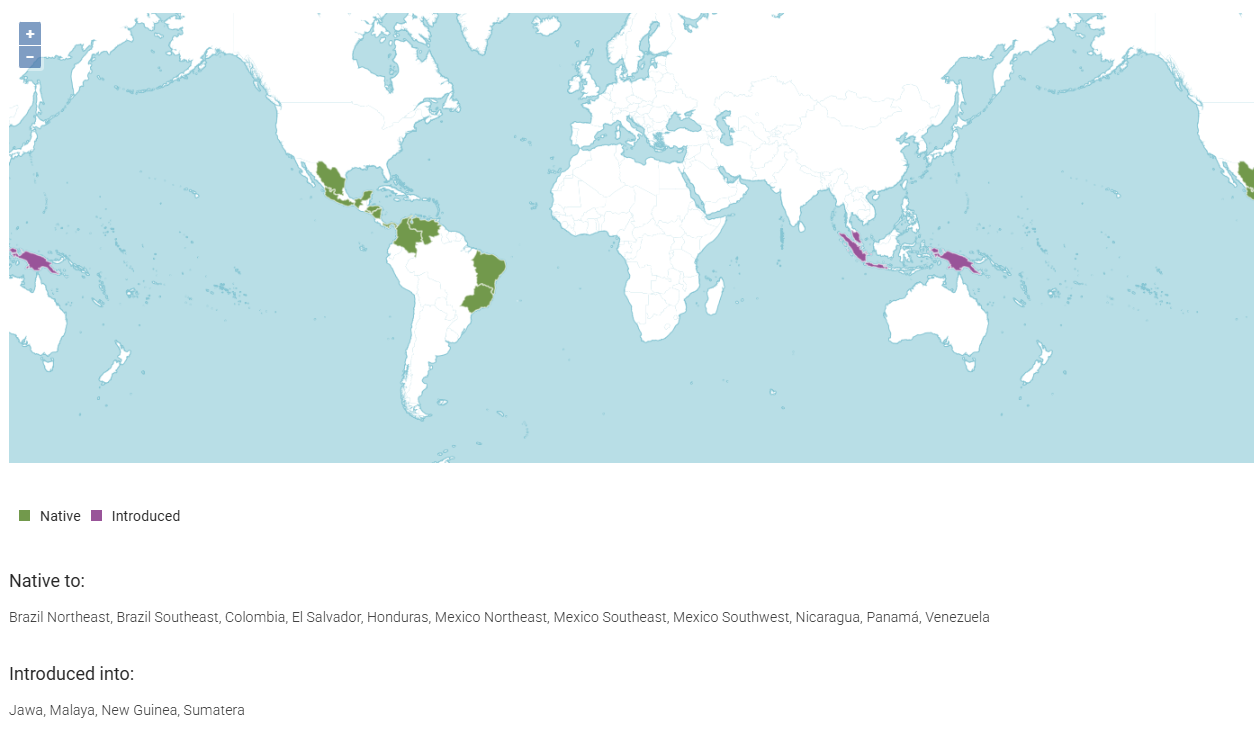
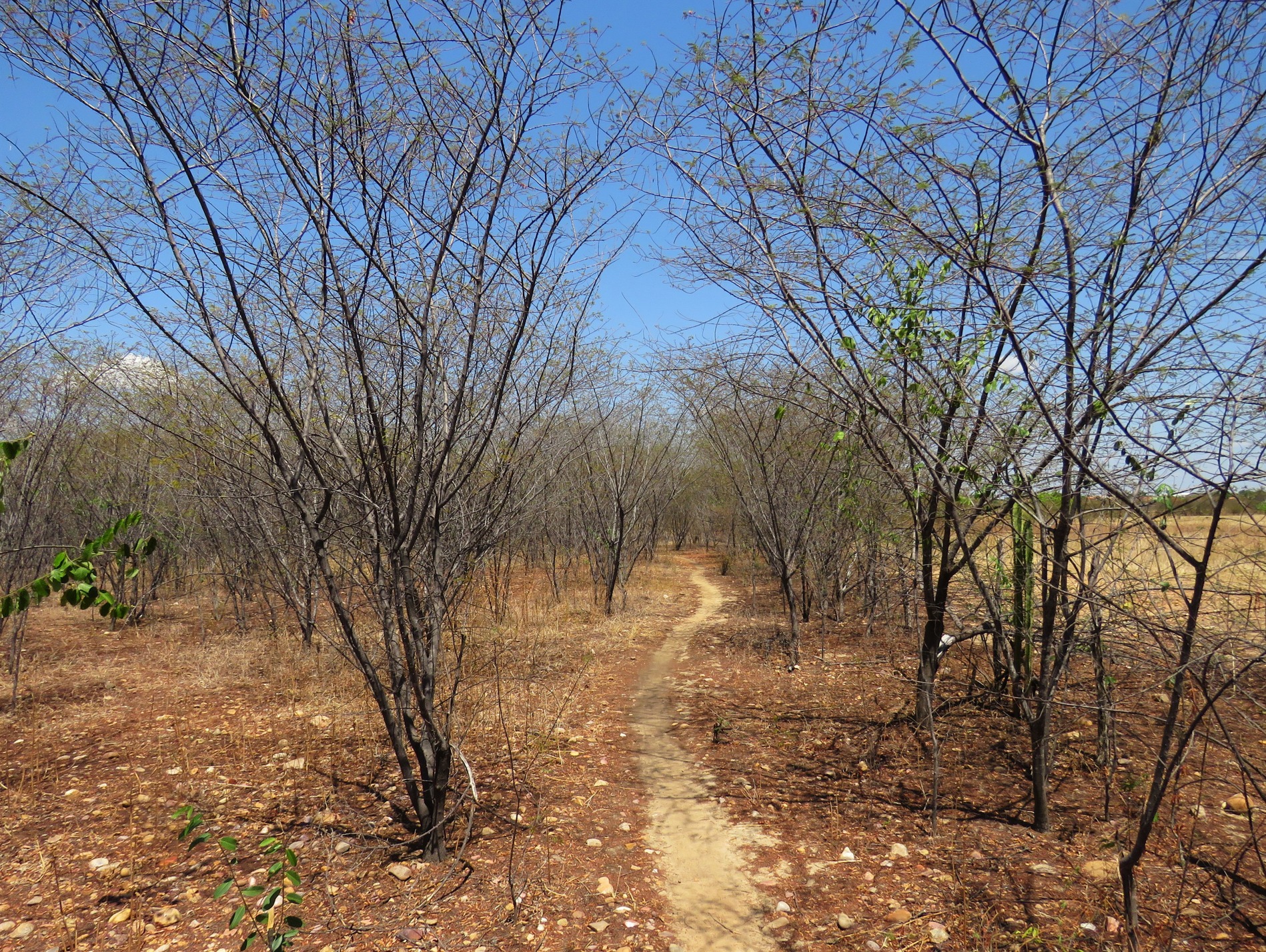
Seventeen years later, a different botanist encountered the same plant under very different circumstances. Carl Friedrich Philipp von Martius was a Bavarian naturalist who spent three years traveling through Brazil between 1817 and 1820 on one of the most ambitious botanical expeditions of the 19th century. In the dry northeastern region — the Caatinga — he encountered a striking thorny tree with dark, fibrous bark and intense reddish-purple wood. He described it in 1823 as Acacia hostilis: the hostile acacia, a reference to its formidable thorns.
Martius did not know about Willdenow’s earlier description. Working from Brazilian field specimens rather than European herbarium material, he saw what appeared to be a distinct plant worth naming. The epithet hostilis — from the Latin for "hostile" or "enemy-like" — captured something real about the plant’s physical character: the thorns are sharp, prominent, and genuinely dangerous to work around in the field.
The thorns are sharp, prominent, and genuinely dangerous to work around in the field — which is exactly what hostilis means. Martius was not wrong about the plant. He simply didn’t know it already had a name.
Bentham’s Reclassification: Mimosa hostilis, 1875
The name most people know — Mimosa hostilis — came from British botanist George Bentham, who published it in 1875 in the Transactions of the Linnean Society of London. Bentham was one of the great systematic botanists of the Victorian era, and his work on the Leguminosae (the legume family) was foundational.
Bentham’s contribution was recognizing that Martius’s Acacia hostilis didn’t really belong in Acacia. The key distinction is in the flowers: Acacia species typically have more than ten stamens per flower, while Mimosa species have ten or fewer. This plant, on close examination, had the stamen count of a Mimosa. Bentham moved it accordingly, keeping Martius’s hostilis epithet but changing the genus: Mimosa hostilis (Mart.) Benth. — the parenthetical credit acknowledging that Martius first described it, with Bentham’s correction noted after.
Why Mimosa and Not Acacia?
The distinction between Mimosa and Acacia is primarily in the flowers. Acacia flowers have numerous stamens — often fifty or more — giving them their characteristic fluffy appearance. Mimosa flowers have ten or fewer stamens, producing a more delicate, slender flower spike.
Our plant’s flowers are pink, cylindrical, and composed of just a handful of stamens — definitively Mimosa in character. The tenuiflora epithet, meaning "slender-flowered," captures this exactly. Bentham saw it. The name followed the morphology.
The Modern Name: Mimosa tenuiflora (Willd.) Poir.
Here is where the Rule of Priority comes in — and where the confusion for most buyers begins. Willdenow’s 1806 name, Acacia tenuiflora, predates Martius’s 1823 Acacia hostilis by seventeen years. When French botanist Jean Louis Marie Poiret recognized that Willdenow’s plant and Martius’s plant were the same species, and that both should be in Mimosa, he had to apply the Rule of Priority: the older name wins.
The result is Mimosa tenuiflora (Willd.) Poir. — Willdenow’s epithet, Poiret’s combination into Mimosa. This is the currently accepted scientific name recognized by the Royal Botanic Gardens at Kew, the Global Biodiversity Information Facility, and every major taxonomic authority.
Mimosa hostilis (Mart.) Benth. remains a valid synonym — recognized, cited, and used widely in scientific literature. It is not wrong to use it. It is simply the later of two names for the same plant, and under the rules of botanical nomenclature, the earlier one takes precedence.
Regional Names: Jurema, Tepezcohuite, Cabrera, and the Rest
The scientific naming history explains hostilis and tenuiflora. But what about Jurema Preta? Tepezcohuite? Cabrera? These are a different category of name entirely — vernacular names, common names, regional names that predate and exist independently of the Latin taxonomic system.
Jurema Preta — Brazil
Jurema is a Tupi indigenous name — used by the indigenous peoples of northeastern Brazil for this plant long before any European botanist arrived to name it. Preta is Portuguese for "black," a reference to the dark, almost charcoal-colored exterior bark. Jurema Preta means, simply, black jurema — distinguishing it from other regional plants also called jurema.
The Jurema cult — O Culto da Jurema — is a traditional religious practice of northeastern Brazil in which the plant plays a central ceremonial role. The name Jurema carries centuries of indigenous cultural significance that has nothing to do with European taxonomy and predates Willdenow’s 1806 classification by generations.
Tepezcohuite — Mexico
Tepezcohuite is a Nahuatl word — the language of the Aztec civilization. The name translates roughly to "skin tree" or "tree of the skin," a reference to the plant’s long history of use in traditional Mexican medicine for wound healing and skin treatment. The same species that grows in the Caatinga of Brazil grows in the dry forests of Chiapas and Oaxaca — and the Mayan and Aztec peoples of Mexico had their own name for it, their own traditions around it, and their own understanding of its properties long before any scientist arrived.
Tepezcohuite became widely known in Mexico after the 1984 San Juanico disaster, when the bark was used extensively to treat severe burns. It was already well established in traditional medicine. The disaster simply brought it to national and international attention.
Cabrera and Other Synonyms
The name Mimosa cabrera appears in some botanical literature, applied by German botanist Hermann Karsten to specimens collected in Colombia in 1863. Like Mimosa hostilis, it is a synonym — Karsten’s independent description of the same plant, later determined to be the same species as Willdenow’s tenuiflora. The full list of recognized synonyms is long:
| Name | Author | Year | Status |
|---|---|---|---|
| Acacia tenuiflora | Willdenow | 1806 | Basionym (original name) |
| Acacia hostilis | Martius | 1823 | Synonym |
| Acacia jurema | Martius | 1828 | Synonym |
| Mimosa tenuiflora (Willd.) Poir. | Poiret | 1810 | Accepted name |
| Mimosa hostilis (Mart.) Benth. | Bentham | 1875 | Synonym (widely used) |
| Mimosa cabrera | H. Karsten | 1863 | Synonym |
| Mimosa limana | Rizzini | 1974 | Synonym |
What This Means for You as a Buyer
When you see Mimosa hostilis, Mimosa tenuiflora, Jurema Preta, or Tepezcohuite — you are looking at the same plant. The name differences are historical and regional, not biological. Quality differences between batches have nothing to do with which name a vendor uses.
What does affect quality is exactly what we discuss throughout this journal: harvest season, growing region, whether the woody xylem core has been removed, and how the material has been processed and stored. A vendor using the "correct" scientific name Mimosa tenuiflora may be selling inferior material; a vendor using the older synonym Mimosa hostilis may be selling excellent bark. The taxonomy is irrelevant to the chemistry.
The names exist because science is a human endeavor — conducted across centuries, across continents, by individuals who didn’t always know what each other was doing. Each name in the list above represents a real person making a real observation about a real plant. Willdenow in Berlin with dried herbarium specimens. Martius in the Caatinga. Bentham in London with his magnifying glass counting stamens. Karsten in Colombia. Each one added something to our understanding.
The plant itself didn’t change. Only our language for it did.
One Plant. Sourced Right.
Whatever you call it — Mimosa hostilis, Mimosa tenuiflora, Jurema Preta — we carry the same thing. Dry season harvest from Chiapas. Xylem removed. Ships from the USA.
Order MHRB NowReferences & Further Reading
- Willdenow, C.L. (1806). Species Plantarum, 4th ed. Berlin.
- Martius, C.F.P. von (1823). Nova Genera et Species Plantarum. Munich.
- Bentham, G. (1875). Revision of the suborder Mimosoideae. Transactions of the Linnean Society of London, 30: 415.
- Camargo-Ricalde, S.L. (2000). Description, distribution, anatomy, chemical composition and uses of Mimosa tenuiflora in Mexico. Revista de Biología Tropical, 48(4), 939–954.
- Royal Botanic Gardens, Kew. Plants of the World Online: Mimosa tenuiflora (Willd.) Poir. Retrieved July 2026 from powo.science.kew.org
- GBIF Secretariat (2026). Mimosa tenuiflora (Willd.) Poir. in GBIF Backbone Taxonomy. Retrieved July 2026 from gbif.org
- Rätsch, C. (2005). The Encyclopedia of Psychoactive Plants. Park Street Press. [Regional names and ethnobotanical context]