
Found us through Google and wondering whether we’re real? Start here. Learn how to verify us — and any other vendor — before you send a dollar, spot the red flags, and protect yourself from common MHRB scams.
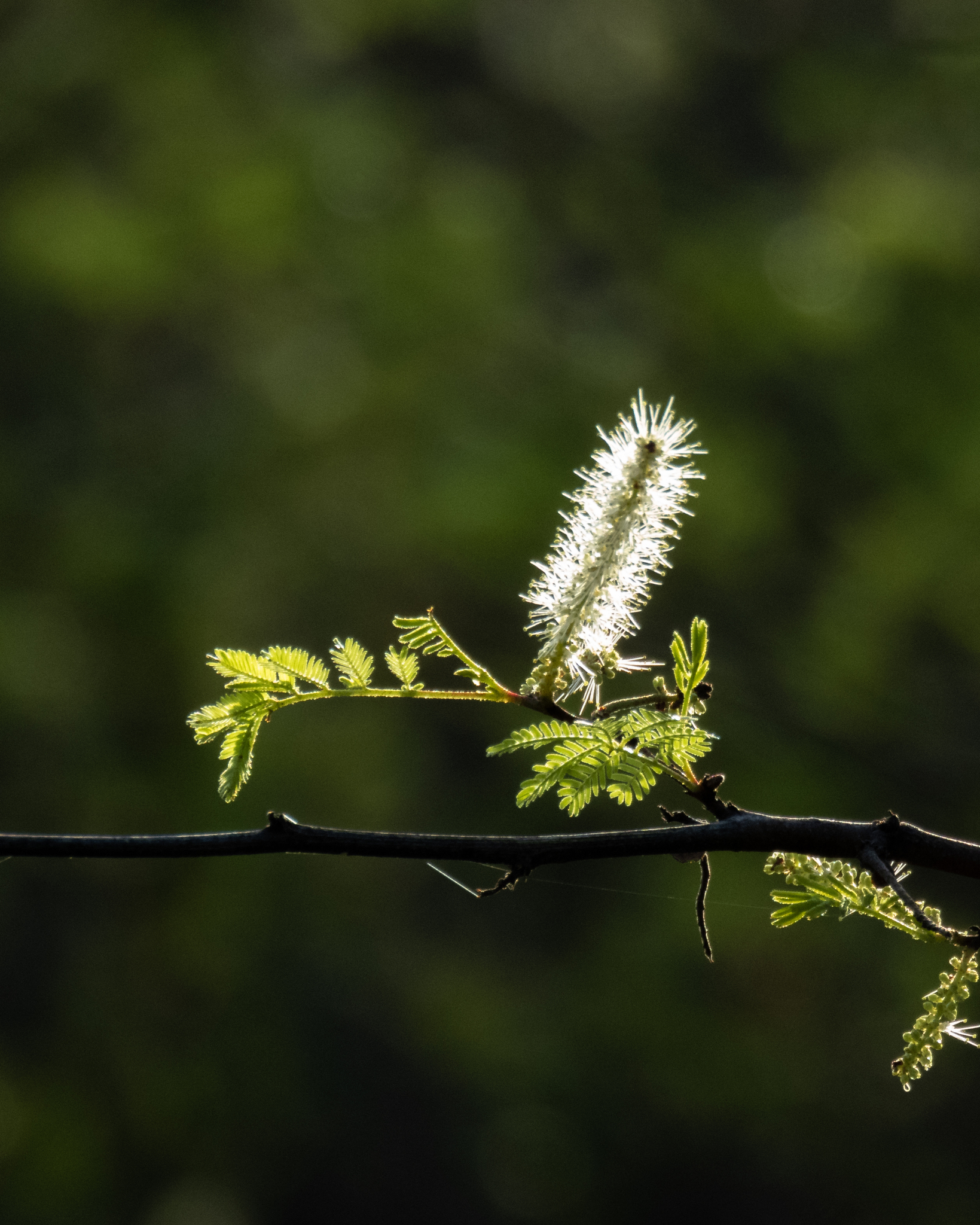
Mimosa hostilis. Mimosa tenuiflora. Jurema Preta. Tepezcohuite. Same plant, different centuries. The complete naming history of the world’s most misunderstood bark — from Willdenow in 1806 to Bentham in 1875 and beyond.
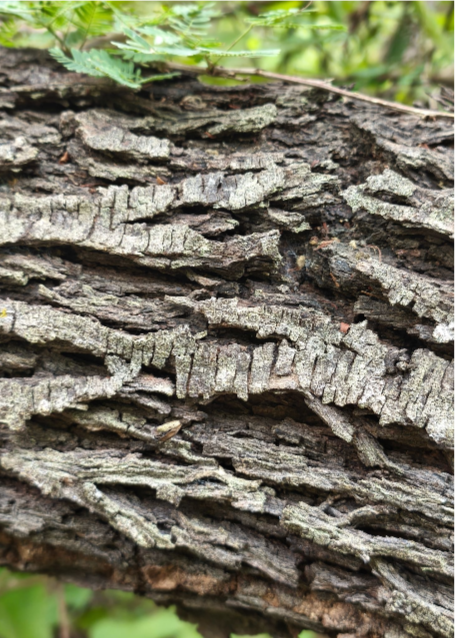
The internet has been wrong about MHRB anatomy for twenty years. Here is what the rhytidome actually is, why it doesn't affect quality, and how a forum shorthand became commercial mythology — backed by botanical science.
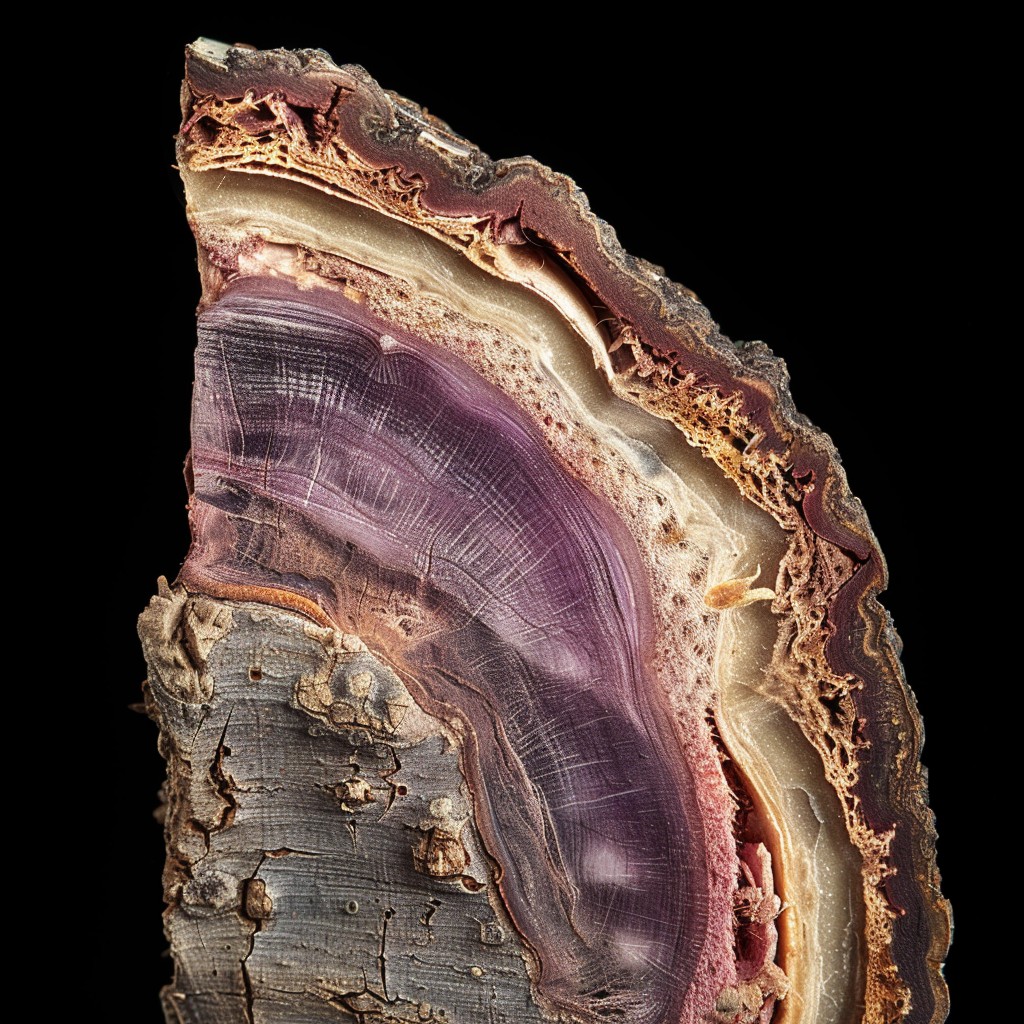
145 distinct active metabolites. Arabinogalactans that stimulate dermal fibroblasts. Prorobinetinidin tannins that tan and dye simultaneously. This is the molecular science behind why MHRB performs the way it does.
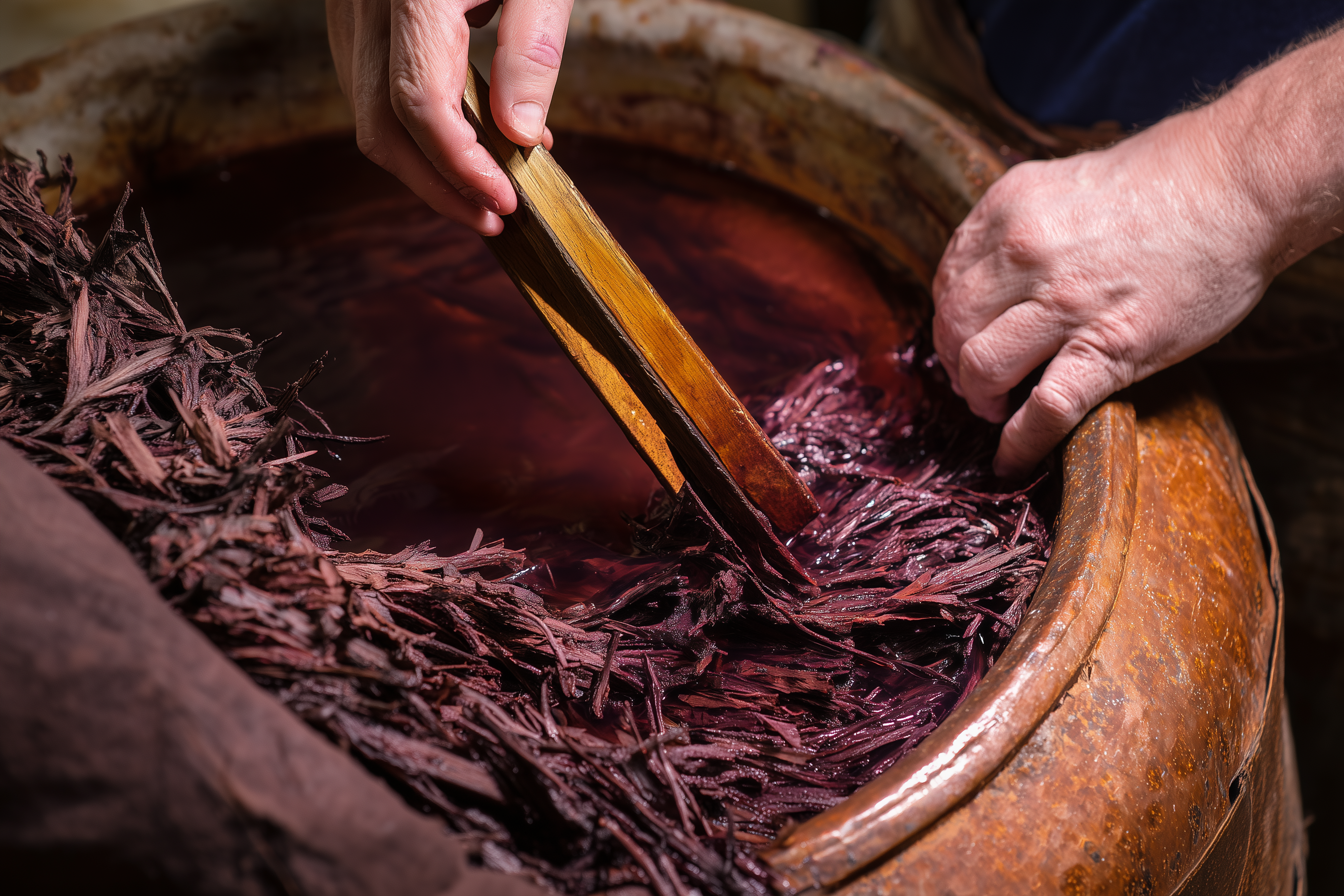
Jurema's condensed tannins don't just deposit pigment — they bind chemically with collagen, curing and coloring vegetable-tanned leather simultaneously. Here is the science and the process.
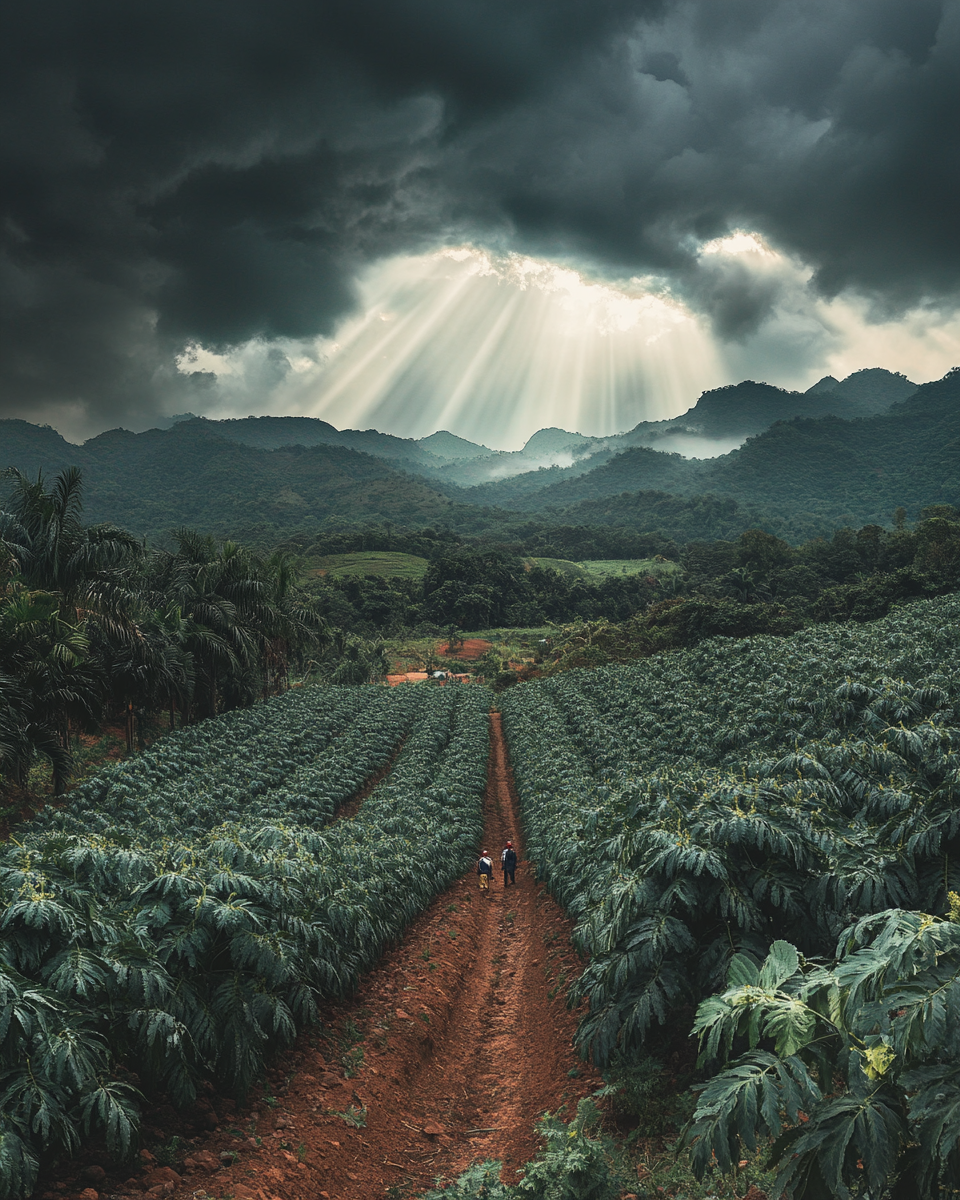
Deep inside the Selva Baja Caducifolia of the Depresión Central de Chiapas, Tepezcohuite has been harvested by hand for centuries. Here is the soil, the ecosystem, and the technique behind every batch we carry.
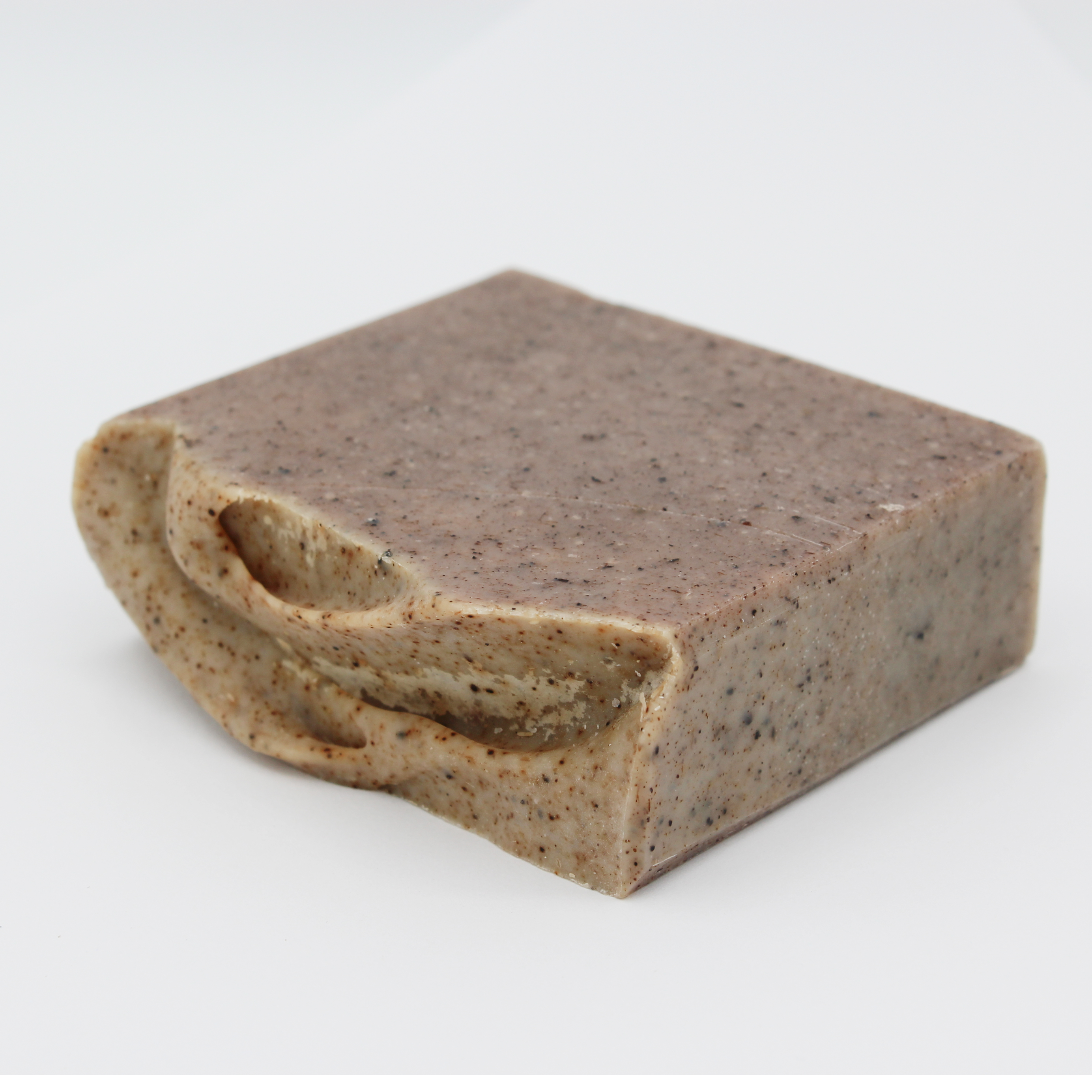
Indigenous cultures across Brazil and Chiapas have worked with Mimosa hostilis for generations. Here's the peer-reviewed science behind why artisan soap makers are making it a permanent fixture in their formulations.